
When Keeping the Bike Costs More Than Selling It
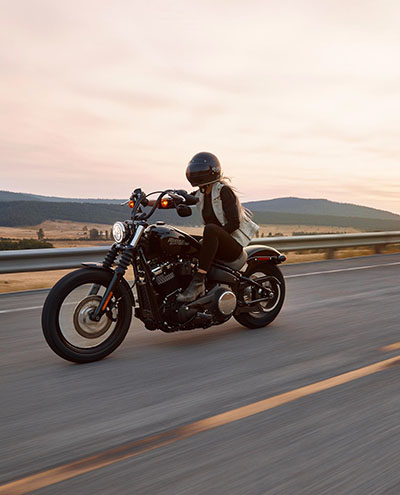
At some point, a lot of riders quietly realize something uncomfortable:
The motorcycle, ATV, or side-by-side sitting in the garage hasn’t really been part of their life for a while.
Not because they stopped loving riding.
Not because they planned to quit.
Just because life slowly changed around it.
Work got busier. Kids arrived. Weekends disappeared. Other priorities took over. And the machine that once represented freedom now mostly represents another thing to maintain.
But even when it isn’t being ridden, it’s still costing money. That’s the part many owners ignore for too long.
The Cost of “Maybe Someday”
Most people think ownership costs stop once the vehicle is paid off.
They don’t.
Even a parked bike continues demanding money and attention:
- Insurance renewals
- Registration fees
- Battery replacements
- Tire deterioration
- Fuel stabilization
- Maintenance from sitting
- Garage or storage space
Individually, those expenses don’t always feel dramatic. Combined over multiple years, they become surprisingly expensive, especially for something barely being used.
And the longer it sits, the easier it becomes to justify: “I’ll ride again soon.”
For some people, that’s true.
For many others, “soon” quietly turns into years.
When Ownership Starts Feeling Like Obligation
There’s a noticeable shift that happens when a vehicle stops bringing excitement and starts creating guilt.
You stop looking forward to riding it and start thinking about:
- what needs fixing
- when the battery died again
- whether registration is overdue
- how much space it’s taking up
- how long it’s been since you last started it
That emotional transition matters more than most owners realize.
Because once the vehicle starts feeling like responsibility instead of recreation, the relationship changes completely.
The Emotional Side Nobody Talks About
This is where selling becomes difficult. A lot of powersport vehicles carry emotional weight far beyond their market price.
They represent:
- freedom
- independence
- identity
- younger years
- friendships
- memories
- entire phases of life
For some riders, selling feels less like getting rid of a machine and more like letting go of a version of themselves.
That’s why people hold onto bikes long after they stop using them.
Not because it makes financial sense, but because emotional attachment is powerful.
The “Project Bike” Problem
Almost every enthusiast knows someone with a project that’s been “almost finished” for five years.
At first, the plan feels exciting:
- rebuild it
- customize it
- restore it
- make it perfect
Then reality takes over.
The project slowly moves from active hobby to permanent garage decoration. Parts pile up. Motivation fades. Time disappears.
Meanwhile, the unfinished vehicle continues losing value while still occupying physical and mental space.
Sometimes the hardest truth is realizing: You don’t actually want to finish it anymore.
And that’s okay.
Sitting Too Long Creates Its Own Problems
A lot of owners assume that leaving a bike parked preserves it.
In reality, long-term sitting can be incredibly hard on machines.
Common issues include:
- dried seals and gaskets
- fuel system buildup
- dead batteries
- flat-spotted or cracked tires
- corrosion
- electrical issues
Ironically, regularly ridden vehicles are often healthier than neglected low-mileage ones.
The longer something sits untouched, the harder it becomes to sell confidently later.
The Questions Most Owners Eventually Ask Themselves
At some point, the internal conversation changes.
Instead of:
“Should I keep it?”
The questions become:
- “When was the last time I actually rode?”
- “How much have I spent storing this?”
- “Am I realistically going to use it again?”
- “Am I keeping this because I love it or because I feel guilty selling it?”
Those are very different things.
Sometimes the Market Matters Too
Holding onto a vehicle forever doesn’t always protect its value. Markets fluctuate. Trends change. New models arrive. Repair costs increase.
Waiting too long can mean:
- more depreciation
- larger repair bills
- fewer interested buyers
- more effort required to sell
In many cases, selling while the machine still runs well and presents cleanly creates a much better outcome than waiting until it becomes another neglected “project.”
The Surprising Relief of Letting Go
A lot of owners expect sadness after selling. Sometimes that happens. But many experience something else first: relief.
No more:
- maintenance guilt
- dead battery surprises
- registration notices
- unfinished plans hanging over their head
The mental clutter disappears.
And for many people, that feels better than expected.
Selling Doesn’t Mean the Passion Disappears
This is important.
Getting rid of one bike doesn’t erase the experiences attached to it.
It doesn’t erase:
- the rides
- the trips
- the memories
- the years you enjoyed it
And it definitely doesn’t mean you’ll never ride again.
A lot of enthusiasts eventually come back later with different priorities, different lifestyles, and a completely different relationship with the hobby.
Final Thoughts
There’s nothing wrong with keeping a motorcycle or ATV forever if it still genuinely brings value to your life.
But there’s also nothing wrong with admitting when it doesn’t anymore.
Sometimes the smartest decision is recognizing that the machine sitting in your garage is no longer adding freedom or excitement—it’s adding expense, stress, and obligation.
And once you reach that point, holding onto it “just because” rarely gets easier with time.
Because eventually, the real cost isn’t just financial. It’s the mental weight of keeping something that already stopped being part of your life a long time ago.
If you’re ready to sell a motorcycle, ATV, or UTV after an accident and want a straightforward process, Powersport Buyers offers a fast and convenient option.
Related Posts
How to Handle a Test Ride Safely (Without Losing Your Bike)
A serious buyer wants one thing before committing: a test ride. And you should want…
The Benefits of Selling Your Powersport Vehicle Without the Hassle of Listing Fees
When it comes time to sell your powersport vehicle, most people instinctively head toward popular…
What Types of Powersport Vehicles Are in High Demand Right Now?
The powersports industry is constantly evolving, with new models, features, and trends shaping the market.…