
Selling to an Out-of-State Buyer: Titles, Transport, and Payment Safety
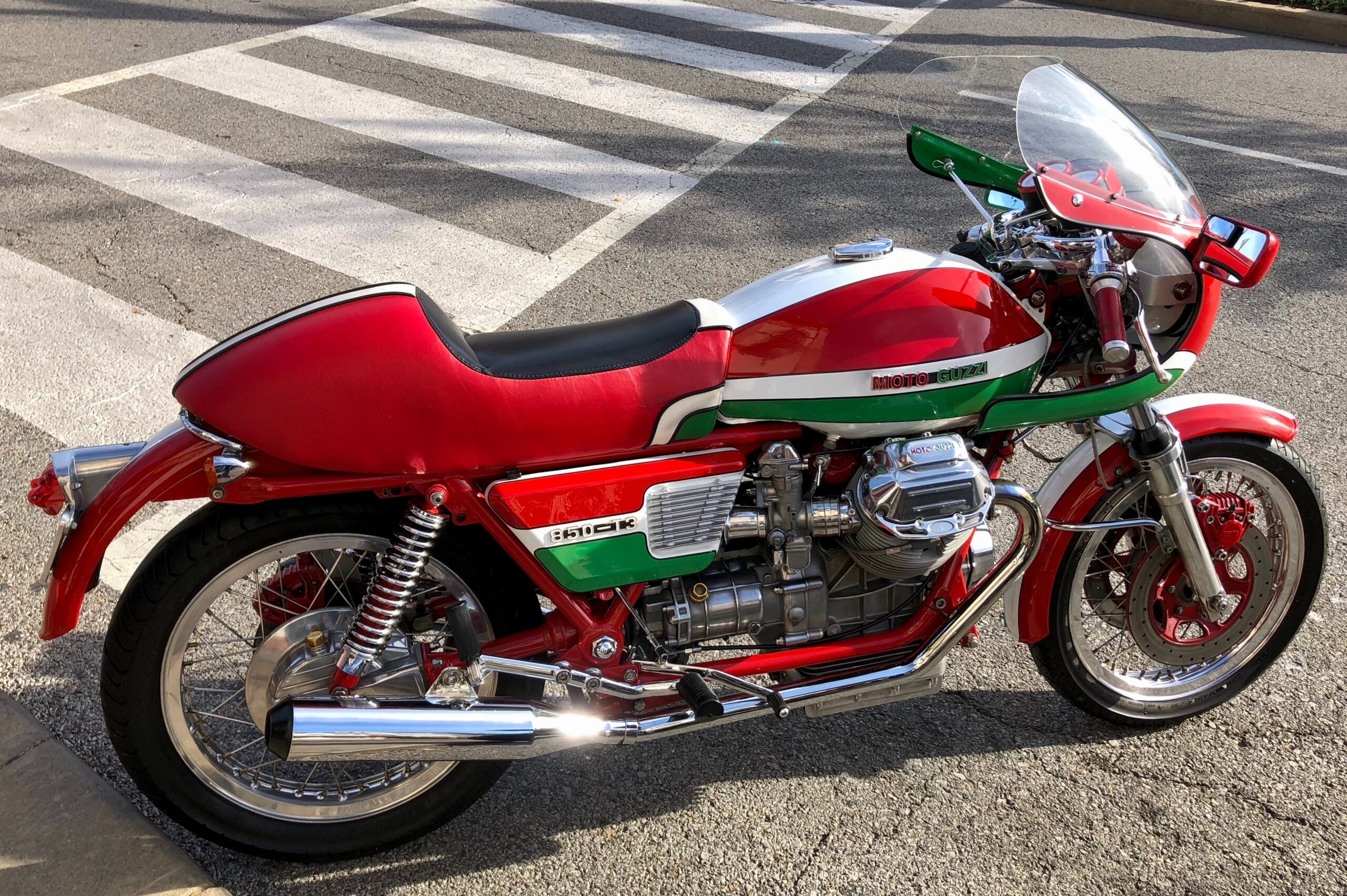
Expanding your sale beyond your local area can dramatically increase your chances of finding the right buyer. In today’s online marketplace, it’s common for someone several states away to show interest in your motorcycle, ATV, or UTV, especially if your vehicle is clean, well-maintained, or priced competitively.
But while out-of-state buyers can create opportunity, they also introduce additional complexity. Suddenly, you’re dealing with title transfers across state lines, shipping logistics, payment verification, and liability concerns. For many sellers, that’s where the process starts to feel uncomfortable.
The good news is that long-distance sales are completely manageable when approached the right way. A little preparation goes a long way toward protecting yourself while creating a smoother experience for the buyer as well.
Start With the Title Before Anything Else
The title is the foundation of the entire transaction. Before listing the vehicle, make sure the title is actually ready to transfer.
That means confirming:
- The title is in your name
- There are no active liens
- The information is accurate and readable
If there’s still a loan attached to the vehicle, contact your lender before negotiating with buyers. Out-of-state transactions already require extra trust, and uncertainty around ownership paperwork immediately creates hesitation.
It’s also important to remember that every state handles title transfers differently. Some require notarized signatures, others require additional disclosures or VIN verification paperwork. Spending ten minutes reviewing your DMV’s process now can save days, or weeks, of frustration later.
One of the biggest mistakes sellers make is rushing through paperwork because the buyer is eager to move quickly. Slow down. Double-check every signature, mileage entry, and date before sending anything out.
Payment Safety Matters More in Long-Distance Sales
Distance changes the psychology of a transaction. Since the buyer can’t physically hand you money and immediately take the vehicle home, scammers often use that uncertainty to create pressure or confusion.
That’s why payment verification is the single most important part of protecting yourself.
Wire transfers are one of the safest and most common options for larger powersport transactions because they move directly between banks. However, even with a wire, you should confirm the funds have fully cleared with your bank before releasing the vehicle or title.
Cashier’s checks can also work, but they require caution. Fake cashier’s checks are extremely common, and many look convincing. Never rely on screenshots, emailed confirmations, or promises from the buyer. Always verify directly with the issuing bank.
Some sellers also choose to use escrow services for higher-dollar sales. Escrow can protect both sides by holding the funds until agreed conditions are met. If you go this route, make sure the service is legitimate and independently researched—not simply suggested by the buyer.
Watch for Red Flags Early
Most scams become obvious when you slow the process down.
Be cautious if a buyer:
- Avoids phone calls or video chats
- Pressures you to ship immediately
- Sends vague or overly scripted responses
- Offers more than your asking price
- Requests refunds or unusual payment arrangements
Legitimate buyers may be eager, but they usually understand why a seller wants to proceed carefully.
Trust your instincts. If something feels rushed or inconsistent, there’s usually a reason.
Handling Vehicle Transport the Right Way
Once payment and paperwork are underway, transport becomes the next major piece of the puzzle.
In many out-of-state transactions, the buyer arranges shipping themselves. That’s completely normal, but you still need to protect yourself during pickup and delivery.
Before the transporter arrives, thoroughly document the vehicle’s condition. Take clear photos from every angle, including any scratches, dents, wear, or cosmetic imperfections. Capture odometer or hour readings as well. This protects you if disputes arise after delivery.
If you decide to arrange shipping yourself, work only with reputable, insured carriers. Extremely cheap shipping quotes are often a warning sign. Reliable transport companies provide clear communication, realistic timelines, and proof of insurance coverage.
Preparation matters too. Before transport:
- Remove personal belongings
- Secure loose accessories
- Make sure the battery is stable
- Confirm fuel levels meet shipping requirements
A little organization upfront reduces problems later.
Liability Doesn’t End When the Vehicle Leaves
Many sellers assume once the transporter pulls away, the transaction is finished. Legally, that isn’t always true.
Your responsibility usually ends only after:
- The title has been properly signed
- Ownership documentation is complete
- Your state’s release of liability form is submitted
That final step is critical.
A release of liability tells the DMV you no longer own the vehicle. Without it, tickets, toll violations, accidents, or registration issues could still come back to you weeks or months later.
Fortunately, many states now allow online submission in just a few minutes.
Communication Builds Confidence
Out-of-state sales naturally involve more uncertainty for both sides. Buyers worry about scams, hidden problems, or shipping complications. Sellers worry about fraudulent payments and liability.
Clear communication helps eliminate that tension.
Providing additional photos, videos, maintenance records, and honest answers builds trust quickly. The smoother and more transparent the communication feels, the more confident both parties become.
That doesn’t mean overexplaining or becoming overly casual. It simply means being organized, responsive, and professional throughout the process.
Keep Records of Everything
Documentation becomes even more important in long-distance transactions.
You should keep copies of:
- Bill of sale
- Title paperwork
- Shipping records
- Payment confirmation
- Important buyer communications
Most sales go smoothly, but if questions arise later, good records become your protection.
Final Thoughts
Selling to an out-of-state buyer can feel intimidating the first time, but the process is far more manageable than many sellers expect.
The key is staying methodical:
- Verify payments carefully
- Handle paperwork correctly
- Document the vehicle thoroughly
- Use trusted transport services
- Communicate clearly throughout the process
Most problems happen when sellers rush, skip steps, or rely too heavily on trust alone.
Handled properly, an out-of-state transaction doesn’t just expand your buyer pool—it gives you access to more serious buyers, stronger offers, and better opportunities to sell your powersport vehicle safely and confidently.
If you’re ready to sell a motorcycle, ATV, or UTV after an accident and want a straightforward process, Powersport Buyers offers a fast and convenient option.
Related Posts

Can You Sell a Salvage or Rebuilt Title Motorcycle or ATV?
Selling a motorcycle or ATV with a salvage or rebuilt title can feel more complicated…

Bill of Sale: What to Include (And the #1 Line Most Sellers Forget)
Selling a motorcycle, ATV, UTV, or other powersport vehicle involves more than agreeing on a…
How to Handle a Test Ride Safely (Without Losing Your Bike)
A serious buyer wants one thing before committing: a test ride. And you should want…