
How to Price Your Motorcycle/ATV/UTV to Sell Fast Without Getting Lowballed
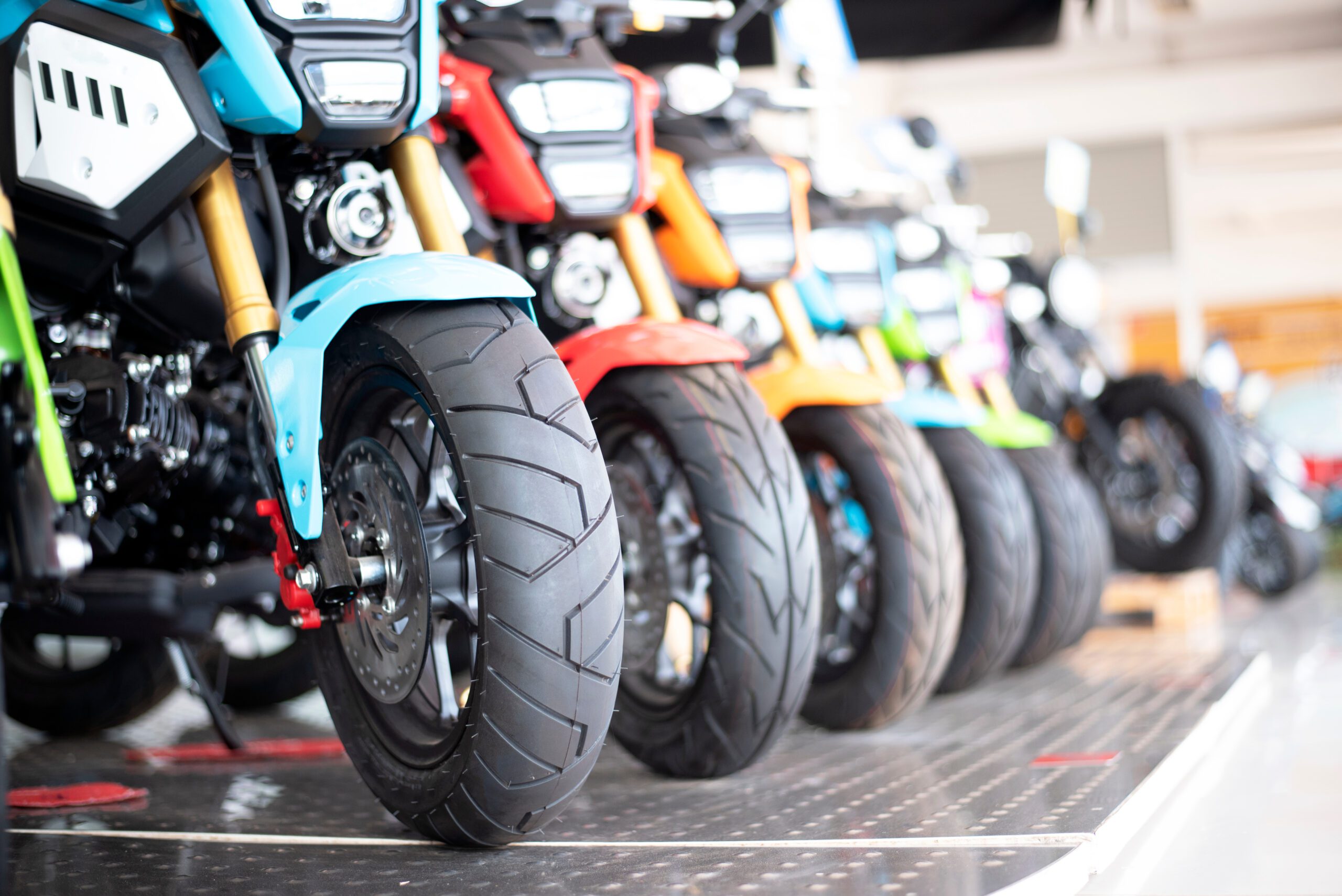
Selling a powersport vehicle can feel like walking a tightrope. Price your motorcycle too high and potential buyers scroll right past it. Price it too low and you might get flooded with offers that make you wonder if you left money on the table. On top of that, online marketplaces are full of buyers trying to negotiate aggressively, which can make the process frustrating if you’re not prepared.
The key is finding a price point that attracts serious buyers while still protecting the value of your vehicle. When done correctly, smart pricing not only increases interest in your listing—it also reduces the likelihood of dealing with constant lowball offers.
Understanding how buyers evaluate motorcycles, ATVs, and UTVs can help you position your vehicle more effectively in the market.
Why Pricing Strategy Matters When Selling a Powersport Vehicle
When someone shops for a motorcycle, ATV, or UTV online, they’re usually comparing several listings at the same time. Buyers often open multiple tabs, comparing similar models to see which ones offer the best value.
If your price falls far outside the expected range, it can discourage buyers before they even read your listing description.
For example:
- A motorcycle priced significantly above similar models may appear unrealistic.
- A UTV priced dramatically lower than others might make buyers suspicious about hidden issues.
The most effective sellers understand that pricing is not just about the vehicle itself—it’s also about how the listing competes with others in the marketplace.
When your price aligns with what buyers expect to see, your listing naturally gains more attention.
Start With a Realistic Value Estimate
Before you price your motorcycle or ATV, you need a baseline for what it’s worth. Several tools and resources can help determine this starting point.
Pricing guides like Kelley Blue Book or other powersport valuation platforms provide rough estimates based on factors such as:
- Year and model
- Mileage or usage hours
- Condition
- Regional demand
These tools are helpful, but they don’t always reflect what vehicles are currently selling for in your local market. The best approach is to combine guide values with real listings from platforms where buyers actually shop.
Look at motorcycles, ATVs, or UTVs that match your vehicle in:
- Model and year
- Condition
- Mileage or hours
- Accessories or upgrades
Once you see the range of prices for similar vehicles, you’ll have a clearer picture of where your listing should fall.
Pricing Too High Can Slow the Entire Process
It’s tempting to start high and assume buyers will negotiate down. Many sellers try this approach, hoping they’ll eventually land on the number they want.
The problem is that overpriced listings often get ignored entirely.
Buyers browsing online typically filter results by price range or simply skip listings that seem unrealistic. If your motorcycle is listed thousands above comparable models, many buyers won’t even click on the listing.
When a vehicle sits on the market for weeks without activity, buyers sometimes assume there’s a problem—even if the only issue was the initial price.
Competitive pricing from the start often creates more interest and leads to faster offers.
Pricing Too Low Can Invite Lowball Offers
At the opposite end of the spectrum, underpricing can also create challenges. While a lower price may generate interest quickly, it can sometimes attract buyers who are primarily hunting for extreme bargains.
These buyers may assume that if you’re willing to price the vehicle low, you’ll also accept aggressive negotiation.
Instead of eliminating lowball offers, pricing too low can sometimes encourage them.
A better strategy is to set a fair, market-aligned price and show confidence in the value of your vehicle.
How Condition Influences Pricing
The condition of your powersport vehicle is one of the biggest factors affecting its resale value. Buyers expect some wear on used motorcycles and ATVs, but major cosmetic or mechanical issues can affect what they’re willing to pay.
Consider factors such as:
- Overall appearance
- Tire condition
- Maintenance history
- Mileage or engine hours
- Signs of previous damage or repairs
If your motorcycle or ATV has been well maintained and comes with service records, you can often justify a slightly higher price. Documentation reassures buyers that the vehicle has been cared for properly.
On the other hand, if the vehicle needs minor repairs or cosmetic work, adjusting the price accordingly may help attract buyers faster.
The Role of Accessories and Modifications
Many powersport owners invest in upgrades such as aftermarket exhaust systems, lighting kits, suspension upgrades, or custom accessories.
While these modifications can enhance the riding experience, they don’t always translate directly into resale value.
Some buyers appreciate upgrades, but others prefer stock vehicles or plan to customize the bike themselves. Because of this, upgrades may help your listing stand out but rarely add their full cost to the sale price.
When pricing your motorcycle or UTV, treat modifications as added appeal rather than guaranteed value.
Presentation Can Strengthen Your Asking Price
How you present your vehicle can influence whether buyers believe your price is justified. A clean, well-documented listing helps reinforce the perception that your vehicle has been cared for properly.
Strong listings typically include:
- Clear photos from multiple angles
- Images of the engine, tires, and controls
- A clean vehicle that has been washed and prepared for photos
- A detailed description of maintenance and upgrades
Buyers often associate well-presented listings with responsible ownership. This perception can help support your asking price and reduce pressure to negotiate.
Setting the Price With Negotiation in Mind
Negotiation is part of most private vehicle sales. Even when your price is fair, buyers may attempt to negotiate simply because they expect it to be possible.
One common strategy is to leave a small margin for negotiation within your asking price. This allows you to accept a reasonable offer while still reaching the amount you hoped to receive.
However, the margin should remain modest. Overpricing too aggressively to allow negotiation often backfires by discouraging buyers from contacting you in the first place.
The goal is balance: a price that invites interest while still allowing some flexibility.
Recognizing Serious Buyers vs. Bargain Hunters
When your motorcycle or ATV is priced correctly, you’re more likely to attract serious buyers who understand the market. These buyers typically ask informed questions about the vehicle and schedule viewings with genuine intent to purchase.
Lowball offers, on the other hand, often come from buyers who send extremely low numbers without even seeing the vehicle.
The best approach is to stay polite but firm. If an offer is unreasonable, it’s perfectly acceptable to decline and wait for a buyer who values the vehicle appropriately.
Patience often pays off.
A Simpler Option for Sellers Who Want to Skip the Guesswork
While many owners choose to list their vehicles privately, the process can involve a lot of uncertainty—pricing decisions, negotiations, meetups, and potential safety concerns.
Some sellers prefer a more straightforward approach.
Professional powersport buyers specialize in purchasing motorcycles, ATVs, and UTVs directly from owners. Instead of worrying about how to price your motorcycle or dealing with repeated negotiations, you can receive a competitive offer based on the vehicle’s condition and current market demand.
This approach can save time and remove much of the stress associated with traditional listings.
Final Thoughts
Pricing your motorcycle, ATV, or UTV correctly plays a major role in how quickly it sells and how much interest it attracts. The most successful sellers focus on realistic market values, honest condition assessments, and well-presented listings.
When your price reflects both the vehicle’s value and the current market, buyers recognize the opportunity—and serious offers follow.
If you’re looking to sell without worrying about pricing strategy, negotiations, or listing platforms, Powersport Buyers offers a fast and convenient alternative. Submit your vehicle information online to receive a no-obligation offer and move forward with confidence.
Related Posts
Selling After an Accident: What You Must Disclose
Selling a motorcycle, ATV, UTV, or other powersport vehicle can already feel like a complicated…
Is It Worth Replacing Tires Before Selling? Here’s the Math
You’re ready to move on from your ride. Maybe an upgrade is calling your name,…
How Mileage/Hours Impacts Value: Motorcycle Miles vs UTV/ATV Engine Hours
If you’re getting ready to sell, one number is guaranteed to come up almost immediately.…