
What Happens After You Sell Your Motorcycle or ATV? Paperwork, Money, and Liability
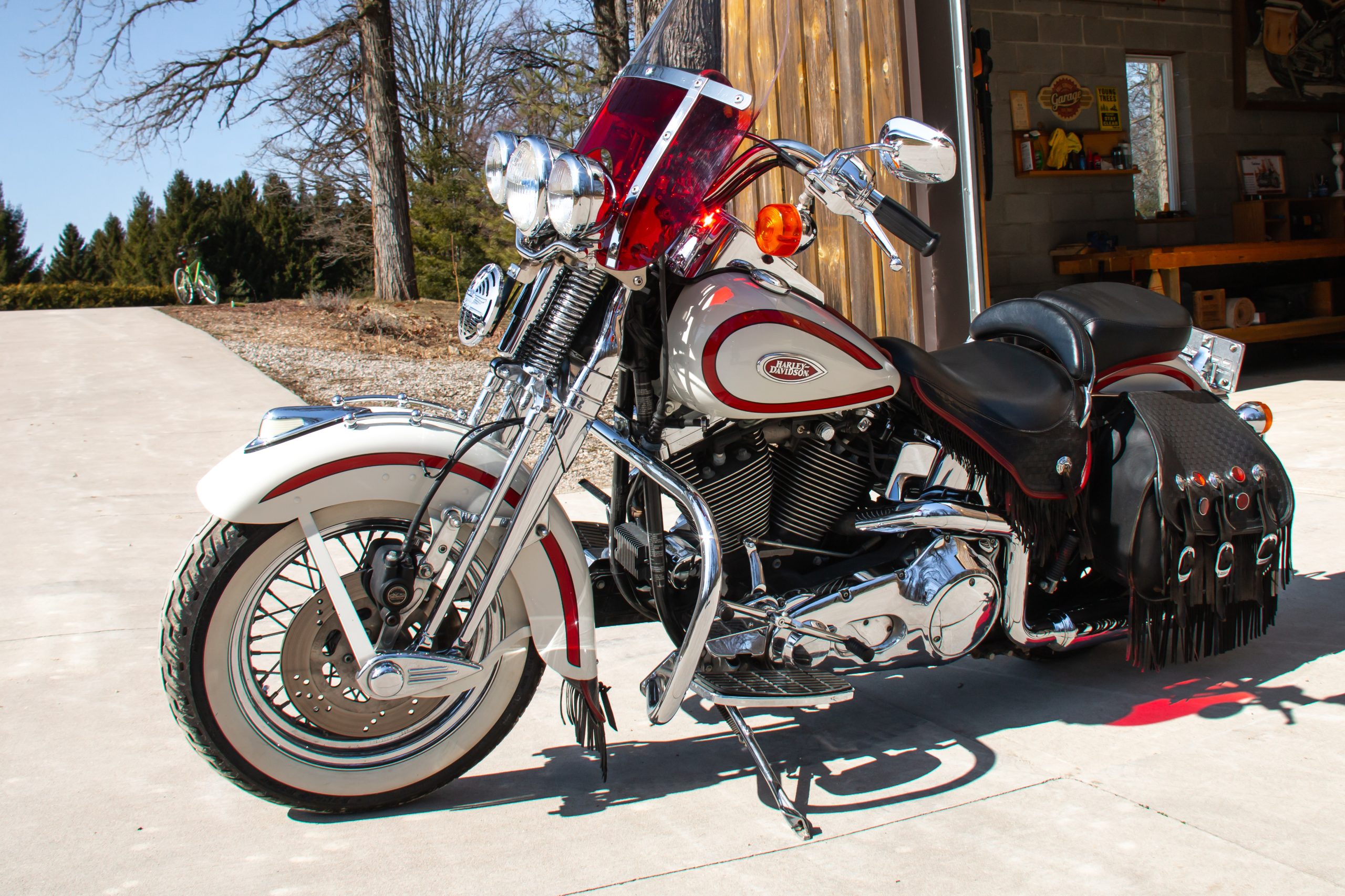
Most people focus intensely on the moment the deal is done. The handshake. The payment. The relief. But what happens after the sale is just as important as the sale itself.
Whether you’re selling your motorcycle, selling your ATV, or selling a powersport vehicle of any kind, the steps that follow determine whether the transaction truly ends cleanly—or quietly creates future problems.
From paperwork and payment verification to legal responsibility and liability protection, this guide walks you through exactly what should happen after the sale so you can move forward with confidence.
The Sale Isn’t Finished When the Buyer Leaves
Many sellers assume once the buyer drives away, the deal is done. In reality, ownership transfer, liability release, and financial confirmation are what officially close the chapter.
If you skip those steps, you may still be responsible for:
- Traffic violations
- Registration fees
- Property damage
- Accidents involving the vehicle
- Legal disputes
That’s why understanding the post-sale process is essential.
Step One: Confirm Payment Has Fully Cleared
Before anything else, ensure payment is final.
Cash should be counted and verified. Bank transfers should be confirmed as completed—not pending. If you used a payment service, confirm the funds are fully available in your account.
Never rely on screenshots, emails, or verbal confirmation. The money must be in your possession and accessible before moving forward.
This is especially important when selling your motorcycle or selling your ATV in private transactions, where protections are limited.
Step Two: Complete the Title Transfer Correctly
The title is the legal proof of ownership. If it isn’t completed properly, the vehicle may still be legally tied to you.
While requirements vary by state, most titles require:
- Seller signature
- Buyer signature
- Odometer disclosure (if applicable)
- Sale date and price
- Notarization in some states
Mistakes on titles are one of the most common causes of post-sale problems.
If you’re unsure, your local DMV website will provide exact instructions for selling a powersport vehicle in your state.
Step Three: Provide a Bill of Sale
A bill of sale protects both parties. It documents:
- Buyer and seller names
- Vehicle details
- Sale price
- Date of sale
- “As-is” condition
This document proves when ownership changed hands and helps shield you from future disputes.
Even if your state doesn’t require it, you should always use one.
Step Four: File a Release of Liability
This step is critical—and often ignored.
A release of liability tells your state DMV that you are no longer responsible for the vehicle. Without it, tickets, accidents, or toll violations could still come back to you.
Most states allow you to submit this online in minutes.
If you only do one post-sale step, make it this one.
Step Five: Cancel Insurance
Once the vehicle is legally transferred, contact your insurance provider to cancel coverage. Do not cancel insurance before the sale is finalized, but don’t leave it active afterward either.
Keeping insurance on a vehicle you no longer own is unnecessary and expensive.
Step Six: Keep Copies of Everything
Store copies of:
- Title transfer
- Bill of sale
- Release of liability
- Payment confirmation
These documents are your protection if questions ever arise.
You may never need them—but if you do, you’ll be glad you kept them.
What Happens to Taxes After the Sale?
In most cases, sellers don’t owe taxes unless they sold the vehicle for more than they paid. Buyers typically handle sales tax during registration.
However, keeping accurate sale records helps avoid confusion later.
This is another reason documentation matters when selling a powersport vehicle.
Liability: When Are You Truly Free?
You are legally free from responsibility only when:
- The title is transferred
- The DMV is notified
- The buyer registers the vehicle
Until those steps are complete, the vehicle may still be associated with you in government systems.
That’s why proactive follow-up matters.
What If the Buyer Never Registers the Vehicle?
Unfortunately, this happens. And when it does, problems can surface months later.
Your protection is the release of liability and proper documentation. Without those, proving the sale becomes much harder.
Never rely on the buyer to handle everything.
Private Sale vs. Professional Buyer: Post-Sale Differences
Private sales place responsibility on you. Professional buyer services typically handle paperwork, title processing, and liability releases for you.
That’s why many sellers choose them—not for convenience alone, but for security.
When selling a powersport vehicle through a professional service, post-sale uncertainty is largely removed.
Common Mistakes Sellers Make After the Sale
Avoid these:
- Forgetting to file liability release
- Losing paperwork
- Canceling insurance too early
- Trusting the buyer to handle everything
- Not verifying payment clearance
Each mistake can create stress long after the sale is supposed to be over.
What If Issues Come Up Later?
If you receive a notice, ticket, or inquiry tied to the vehicle:
- Respond promptly
- Provide your documentation
- Reference the sale date
- Include your release of liability
Most issues are resolved quickly when you have proper records.
The Real Meaning of a “Clean Sale”
A clean sale isn’t just about price. It’s about:
- No future liability
- No financial uncertainty
- No legal risk
- No lingering responsibility
That’s the real finish line.
Final Thoughts: Sell Smart, Then Close the Loop
Selling your motorcycle or ATV should feel like progress—not a potential future headache.
By following the right post-sale steps, you protect yourself, your finances, and your peace of mind. Whether you’re selling your motorcycle, selling your ATV, or selling a powersport vehicle of any kind, the process doesn’t end when the buyer leaves.
It ends when responsibility officially transfers.
Handle that part correctly, and you don’t just sell a vehicle—you close the door cleanly and confidently on the entire chapter. Share this blog post with others who might find it useful, and don’t forget to comment with your own tips or experiences. To get started, visit Get Offer and discover the value of your motorcycle today.
Related Posts
Is It Worth Replacing Tires Before Selling? Here’s the Math
You’re ready to move on from your ride. Maybe an upgrade is calling your name,…

How Mileage/Hours Impacts Value: Motorcycle Miles vs UTV/ATV Engine Hours
If you’re getting ready to sell, one number is guaranteed to come up almost immediately.…
Best Motorcycle & ATV Upgrades That Actually Pay Off at Resale
Every rider loves customization. New parts, better performance, sharper looks—it’s part of the fun of…