
Is It Worth Replacing Tires Before Selling? Here’s the Math
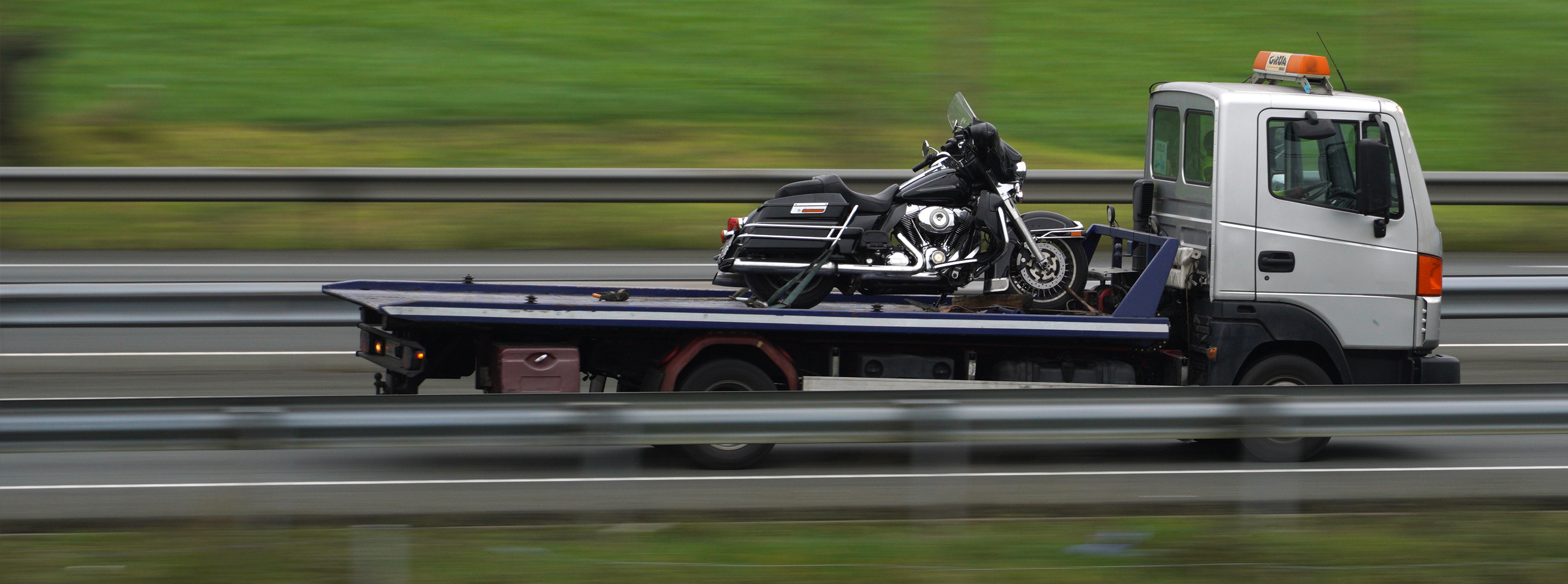
You’re ready to move on from your ride. Maybe an upgrade is calling your name, maybe you need the cash, or maybe you’re just riding less than you used to.
Then you notice the tires.
They’re not terrible, but they’re definitely not new. And now you’re facing the question almost every seller eventually asks: should you replace them before listing?
When selling your motorcycle or selling your atv, tire condition can influence how buyers react, how negotiations unfold, and how fast the deal closes. But installing new rubber doesn’t automatically mean you’ll walk away with more money.
Sometimes it’s a smart investment. Sometimes it’s just a gift to the next owner.
Let’s look at how to decide.
Why Tires Matter So Much to Buyers
First Impressions Happen Fast
Tires are one of the easiest components for a buyer to judge. Within seconds, they form opinions about safety, maintenance habits, and upcoming expenses.
They Represent Immediate Cost
Even someone new to powersports understands that replacing tires isn’t cheap. Worn tread quickly turns into mental deductions from your asking price.
They Influence Confidence
Fresh rubber can make a machine feel ready for the road or trail today. Worn rubber can make it feel like another errand.
The Financial Equation Behind Replacing Tires
What You Spend vs. What You Get Back
If a new set costs $700, most buyers won’t increase their offer by $700. They might recognize part of that value, but rarely all of it.
Why Buyers Don’t Pay Retail
Once installed, tires are considered used. Even if they’re brand new, they no longer carry the same market value in the buyer’s mind.
The Simple Test
If the increase in sale price is less than what you spent, you’ve reduced your own profit.
When Replacing Tires Can Work in Your Favor
Extremely Worn or Questionable Condition
If tread is close to unsafe, buyers may hesitate to test ride or may negotiate aggressively. New tires can remove that friction.
Competitive Listings
In a crowded market, small advantages can push your vehicle to the top of someone’s list.
Higher-End Units
Buyers spending more expect condition to match the number. Presentation becomes more important.
Speed Is the Priority
If your goal is to sell quickly rather than maximize every dollar, replacement may shorten decision time.
When Keeping the Current Tires Is the Better Move
There’s Still Usable Life
If someone can ride for a season before changing them, many buyers prefer to make their own choice later.
Price-Sensitive Shoppers
Budget buyers usually care more about upfront savings than recent upgrades.
You’re Selling to a Professional Buyer
They evaluate overall market value and rarely credit sellers dollar-for-dollar for improvements.
Smart Alternatives to Replacement
Adjust the Price Strategically
Leaving room for negotiation often costs less than buying tires outright.
Be Transparent About Wear
Honesty builds trust and reduces suspicion.
Show the Bigger Maintenance Picture
Clean condition, records, and proper care often outweigh aging rubber.
What Sellers Forget About Buyer Psychology
Buyers subtract future costs more easily than they add current value.
They might knock off several hundred dollars if they expect to replace tires soon. But they rarely reward you the same amount for already doing it.
Knowing this keeps you from overspending emotionally.
The Real Goal When Preparing to Sell
You’re not chasing perfection. You’re removing hesitation.
If the tires are a major barrier, replacement can help. If they’re simply average, smart pricing and good communication usually achieve the same result.
When selling your motorcycle or selling your atv, profit comes from making decisions based on return, not pride.
Final Thoughts
It’s easy to assume improvements automatically increase value. In reality, the market doesn’t work that way.
Sometimes you should replace tires.
Often you shouldn’t.
The right answer depends on condition, buyer expectations, and how you want the negotiation to unfold.
Because ultimately, people aren’t buying tread depth. They’re buying confidence in what happens after they hand you the money.
Share this blog post with others who might find it useful, and don’t forget to comment with your own tips or experiences. To get started, visit Get Offer and discover the value of your motorcycle today.
Related Posts
How to Price Your Motorcycle/ATV/UTV to Sell Fast Without Getting Lowballed
Selling a powersport vehicle can feel like walking a tightrope. Price your motorcycle too high…

Selling After an Accident: What You Must Disclose
Selling a motorcycle, ATV, UTV, or other powersport vehicle can already feel like a complicated…

How Mileage/Hours Impacts Value: Motorcycle Miles vs UTV/ATV Engine Hours
If you’re getting ready to sell, one number is guaranteed to come up almost immediately.…